The Complete Guide to Concrete Driveways in Ramapo, NY: Costs, Benefits, and What Homeowners Need to Know in 2025
The Complete Guide to Concrete Driveways in Ramapo, NY: Costs, Benefits, and What Homeowners Need to Know in 2025
If you're a homeowner in Ramapo, Rockland County, or the Hudson Valley region considering a new driveway, you're probably weighing your options and asking yourself some important questions. Should you go with concrete or asphalt? How much will it cost? How long will it last? And most importantly, how do you find a reliable concrete contractor who will do the job right?
At Ramapo Concrete Inc., we've installed, repaired, and resurfaced hundreds of driveways throughout Rockland County, and we've learned exactly what homeowners want to know before making this significant investment. This comprehensive guide answers all your questions about concrete driveways and helps you make an informed decision for your property.
Why Concrete Driveways Are the Smart Choice for Ramapo Homeowners
When it comes to driveway materials, concrete consistently outperforms other options in our region. Here's why so many homeowners in Ramapo and throughout Rockland County choose concrete:
Durability That Withstands New York Weather
Our climate in the Hudson Valley presents unique challenges. We experience freezing winters, hot summers, heavy rainfall, and everything in between. Concrete driveways are engineered to handle these temperature fluctuations better than most alternatives. With proper installation and maintenance, a concrete driveway can last 20 to 30 years or more.
The secret lies in the material's composition and how it's installed. When you work with experienced concrete contractors who understand local soil conditions and weather patterns, your driveway gets the reinforcement and thickness it needs to resist cracking from freeze-thaw cycles.
Lower Maintenance, Higher Value
Unlike asphalt driveways that require seal coating every few years, concrete driveways need minimal maintenance. A simple cleaning routine and occasional sealing every 2-3 years keeps your driveway looking great and functioning properly. This translates to lower long-term costs and less hassle for you.
Plus, a well-maintained concrete driveway significantly boosts your home's curb appeal and resale value. Real estate professionals consistently note that quality driveways are one of the first things potential buyers notice.
Design Flexibility You Won't Get with Asphalt
Think all concrete driveways look the same? Think again. Modern concrete installation offers incredible design versatility:
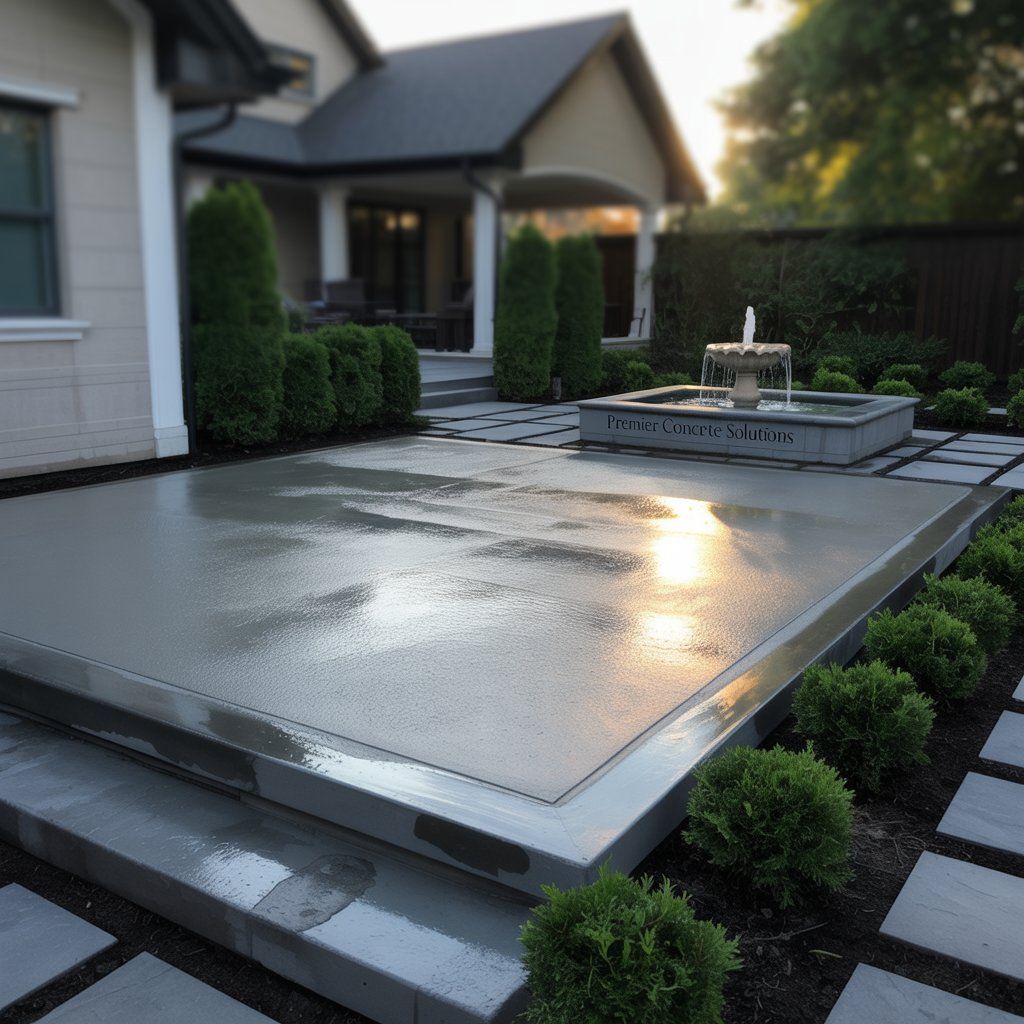
Stamped concrete mimics the appearance of natural stone, brick, slate, or custom patterns
Colored concrete lets you match or complement your home's exterior
Exposed aggregate provides texture and visual interest
Decorative borders and edging add custom touches
Smooth or broom finishes for classic looks
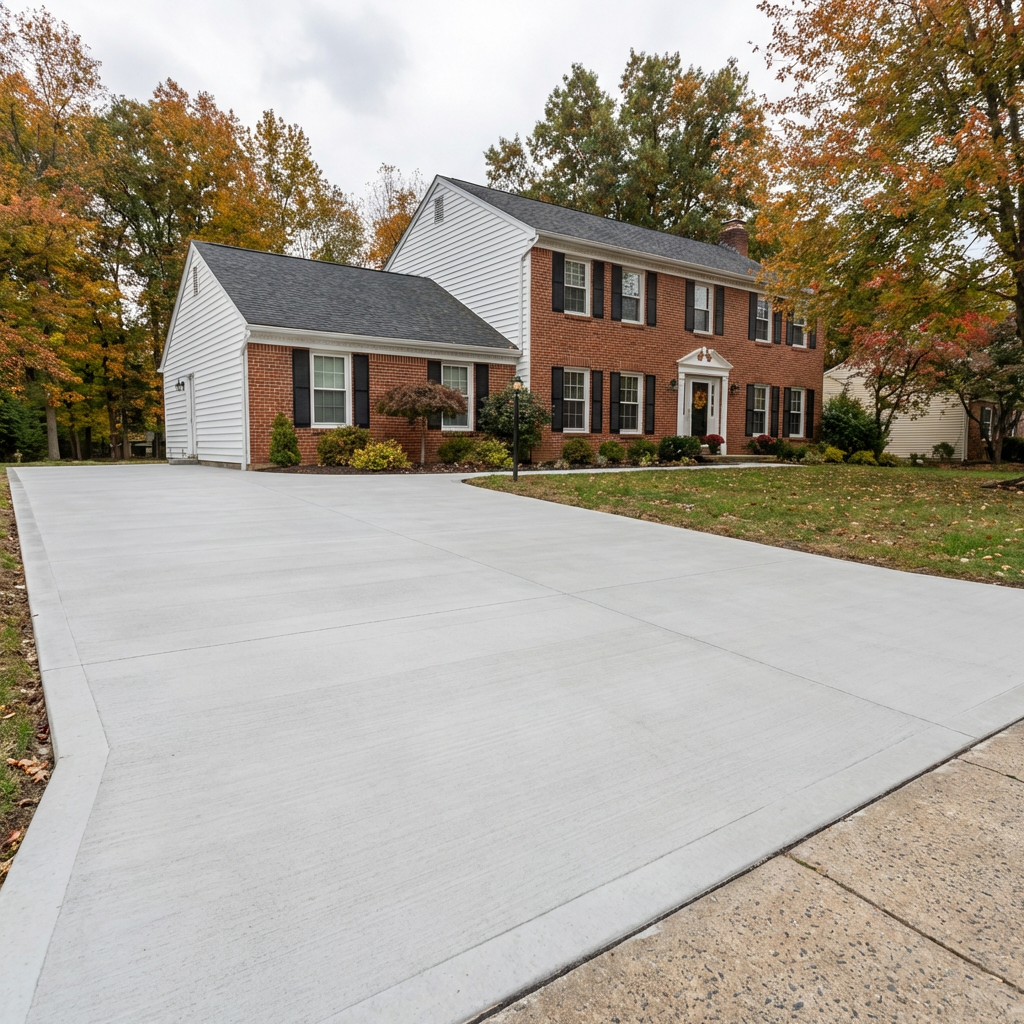
This means you can create a driveway that's uniquely yours while still enjoying all the practical benefits of concrete.
Understanding Concrete Driveway Costs in Ramapo, NY
One of the first questions homeowners ask is, "How much will this cost?" The answer depends on several factors, but we believe in complete transparency about pricing.
Average Cost Breakdown for 2025
In the Ramapo and Rockland County area, concrete driveway installation typically ranges from $6 to $15 per square foot. For a standard two-car driveway of approximately 600 square feet, you're looking at:
Basic installation: $3,600 to $5,400
Mid-range with decorative elements: $5,400 to $7,800
Premium stamped or colored concrete: $7,800 to $9,000+
What Affects Your Driveway Cost?
Several factors influence the final price of your concrete driveway project:
1. Site Preparation Requirements If your existing driveway needs to be removed, or if the ground requires extensive grading and base preparation, costs will increase. Poor drainage areas may need additional work to ensure long-term performance.
2. Thickness and Reinforcement Standard driveways use 4-inch thick concrete with wire mesh or rebar reinforcement. If you plan to park heavy vehicles like RVs or work trucks, you'll want 5 to 6 inches of thickness with stronger reinforcement.
3. Design Complexity A simple rectangular driveway with a broom finish costs less than a curved, stamped driveway with multiple colors and decorative borders. However, the visual impact and property value increase often justify the additional investment.
4. Accessibility and Location Difficult-to-access properties or those requiring concrete to be pumped over long distances may incur additional charges. Most properties in Ramapo have good access, but it's worth discussing with your contractor.
Is Concrete More Expensive Than Asphalt?
Yes, concrete typically costs more upfront than asphalt. However, when you factor in the longer lifespan (20-30 years vs. 15-20 years) and lower maintenance requirements, concrete often proves more cost-effective over time. You're making an investment in quality that pays dividends for decades.
The Concrete Driveway Installation Process: What to Expect
Understanding the installation process helps you know what to expect when you hire a concrete contractor. Here's how professional installation works:
Step 1: Site Evaluation and Planning (Day 1)
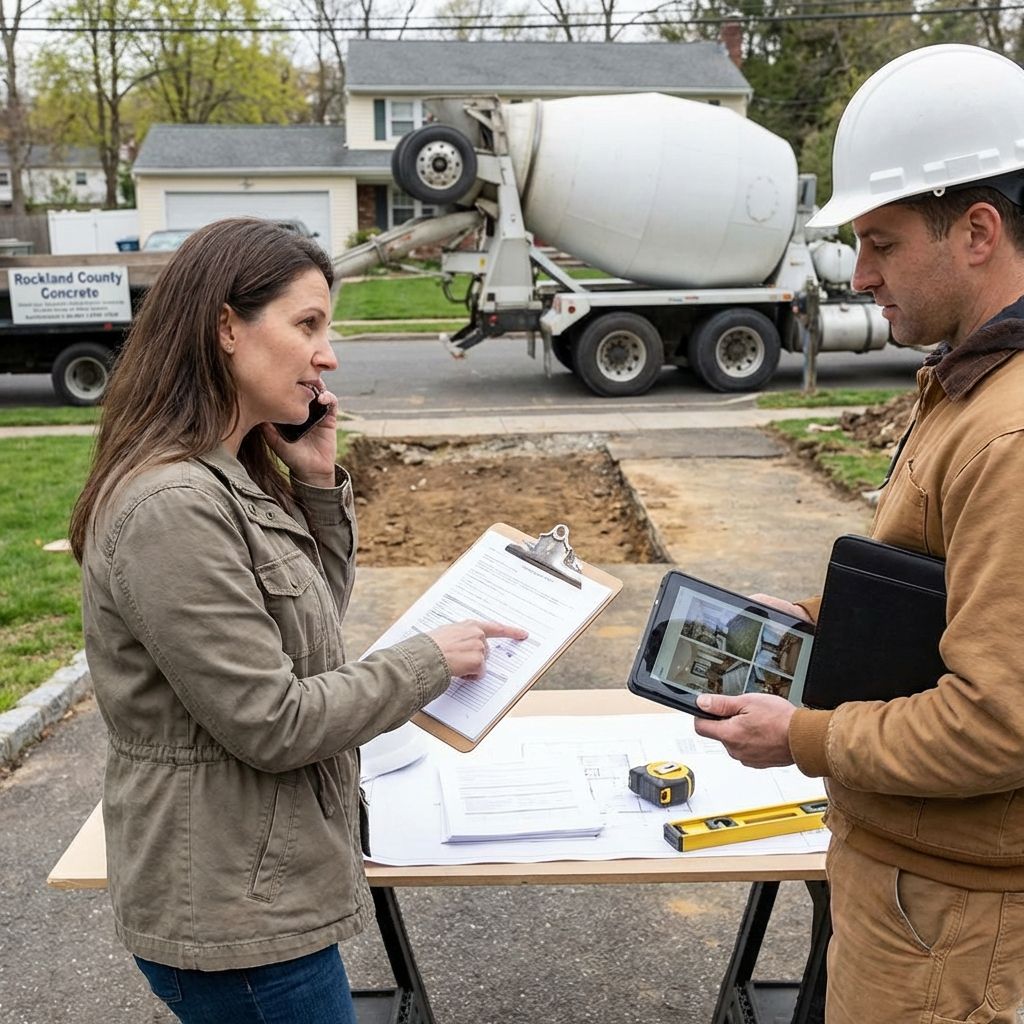
Your contractor visits your property to assess soil conditions, drainage, existing structures, and your design preferences. This is when you'll discuss options, get measurements, and receive a detailed estimate.
Step 2: Demolition and Site Preparation (Days 1-2)
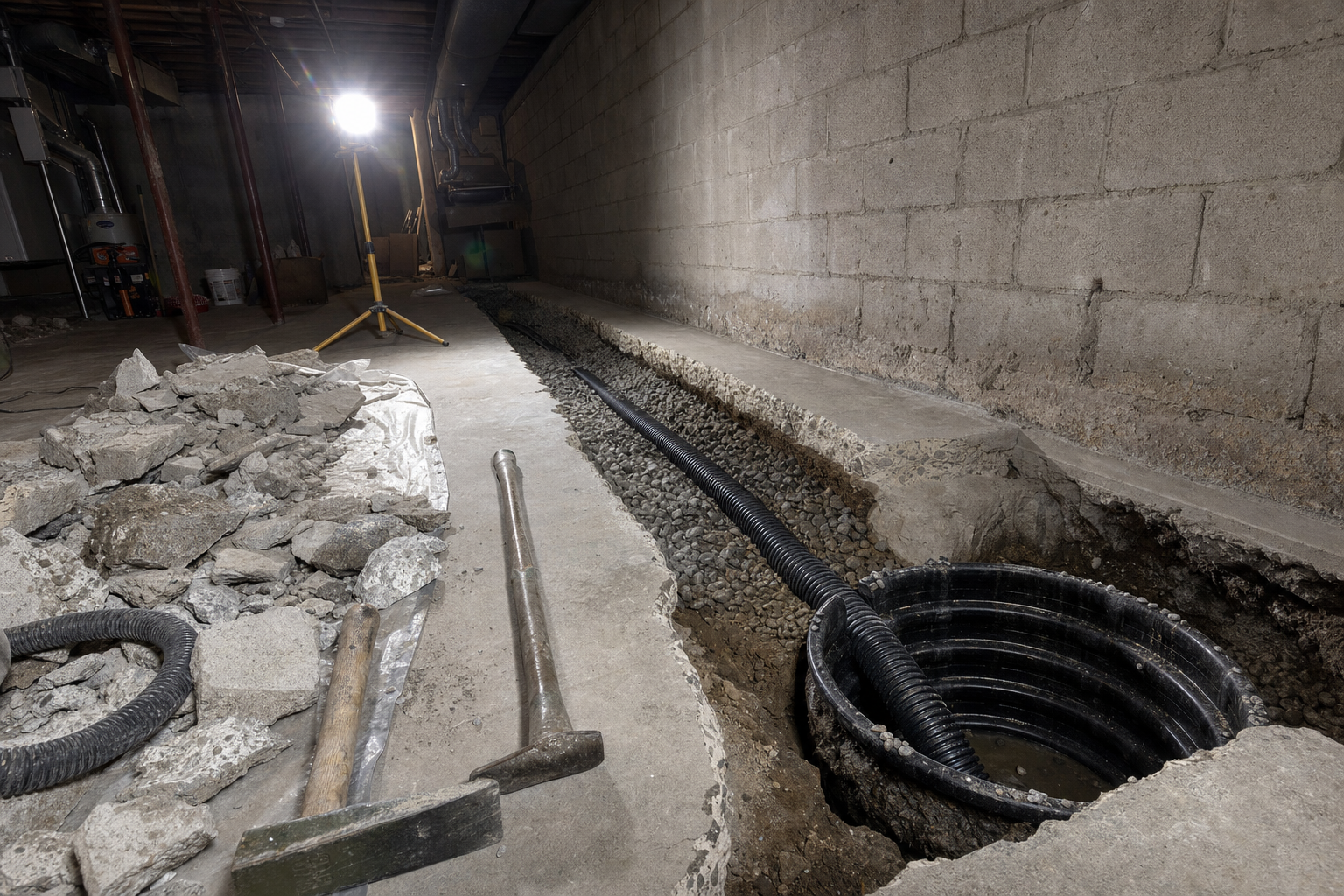
If you have an existing driveway, it needs to be removed and disposed of properly. The area is then excavated to the proper depth, typically 8 to 12 inches below the final surface grade.
Step 3: Base Installation (Days 2-3)
A compacted gravel base is installed to provide stability and drainage. This layer is crucial for preventing future settling or cracking. In areas with poor soil conditions, additional base material may be necessary.
Step 4: Forms and Reinforcement (Day 3)
Wooden or metal forms are installed to create the driveway's shape and edges. Wire mesh or rebar is positioned to provide structural reinforcement within the concrete.
Step 5: Concrete Pouring and Finishing (Day 4)
Fresh concrete is poured, spread, leveled, and finished according to your chosen design. For stamped or decorative concrete, patterns and colors are applied while the concrete is still workable. This is skilled work that requires experience and attention to detail.
Step 6: Curing and Protection (Days 5-14)
Concrete needs time to cure properly. The surface is kept moist and protected for several days. Full strength develops over about 28 days, though you can typically use your driveway for light traffic after 7 days.
Timeline Expectations
Most residential concrete driveway installations in Ramapo take 1 to 2 weeks from start to finish, depending on weather conditions and project complexity. We work efficiently while never compromising on quality.
Common Concrete Driveway Problems and How to Prevent Them
Even the best concrete driveways can develop issues over time. Here's what to watch for and how to address problems early:
Concrete Cracking: The Most Common Issue
Small cracks are inevitable in concrete due to natural settling and temperature changes. However, extensive cracking usually indicates installation problems or lack of maintenance. Here's what causes cracks:
Inadequate base preparation: This is the leading cause of premature cracking
Wrong concrete mix: Using improper ratios for our climate
Insufficient reinforcement: Skimping on rebar or wire mesh
Poor curing practices: Not keeping concrete moist during the curing process
Freeze-thaw damage: Water infiltration during winter months
Prevention Strategy: Work with experienced contractors who follow proper installation procedures, and address small cracks immediately before they expand.
Surface Scaling and Spalling
These terms describe surface deterioration where the top layer of concrete flakes or peels away. Common causes include:
Using de-icing salts during winter
Poor finishing techniques that trap water near the surface
Inadequate air entrainment in the concrete mix
Prevention Strategy: Use sand instead of salt for winter traction, seal your driveway every 2-3 years, and work with contractors who use proper concrete mixes for cold climates.
Drainage Issues
Standing water on your driveway accelerates deterioration and creates safety hazards. Poor drainage results from:
Improper grading during installation
Settling over time
Lack of drainage systems in the base
Prevention Strategy: Ensure your contractor plans proper slope (typically 1-2% grade away from buildings) and includes adequate drainage in the base layer.
Discoloration and Staining
Oil, rust, tire marks, and other stains can mar your driveway's appearance. While these don't affect structural integrity, they do impact curb appeal.
Prevention Strategy: Clean spills promptly, seal your driveway regularly, and consider using concrete-safe driveway cleaners for periodic deep cleaning.
Maintenance Tips: Protecting Your Investment
A concrete driveway is a significant investment. Here's how to protect it and extend its lifespan:
Regular Cleaning (Monthly)
Sweep away dirt, leaves, and debris regularly. For deeper cleaning, use a pressure washer on a low setting (avoid high pressure that can damage the surface). Address oil stains immediately with a degreaser designed for concrete.
Sealing (Every 2-3 Years)
Applying a high-quality concrete sealer creates a protective barrier against moisture, chemicals, and UV damage. This is especially important in our region where winter conditions can be harsh. The small cost of sealing prevents expensive repairs down the road.
Crack Repair (As Needed)
Inspect your driveway twice yearly and fill any cracks immediately using a concrete crack filler. Small cracks are easy and inexpensive to fix, but they grow quickly if ignored. Catching them early prevents water infiltration and more extensive damage.
Winter Care (November-March)
Remove snow promptly with a plastic shovel (metal can scratch the surface)
Avoid using de-icing salts; use sand for traction instead
Keep drainage areas clear so melting snow can flow away from the driveway
Watch for ice buildup and remove it carefully
Proper Use
While concrete is durable, avoid driving extremely heavy vehicles on residential driveways not designed for that weight. Be cautious with snowplows and other equipment that could chip edges or gouge the surface.
Concrete vs. Asphalt: Making the Right Choice for Your Home
Many Ramapo homeowners debate between concrete and asphalt. Here's an honest comparison:
When Concrete Is the Better Choice
You want a driveway that lasts 20-30+ years
Lower long-term maintenance appeals to you
You value design flexibility and curb appeal
You're willing to invest more upfront for better long-term value
You want a lighter-colored surface that stays cooler in summer
When Asphalt Might Make Sense
You need the lowest possible upfront cost
You plan to sell the property within 5-10 years
You prefer the dark appearance of asphalt
You live in an area where most neighbors have asphalt (some HOAs have preferences)
The Bottom Line
For most homeowners in Ramapo and Rockland County who plan to stay in their homes long-term, concrete offers better value despite the higher initial cost. The durability, low maintenance, and aesthetic options make it the smart choice for those thinking about the next 20+ years.
Choosing the Right Concrete Contractor in Ramapo, NY
The quality of your concrete driveway depends heavily on who installs it. Here's what to look for:
Essential Qualifications
Licensed and Insured: This protects you from liability and ensures the contractor meets professional standards
Local Experience: Contractors familiar with Ramapo's soil conditions, weather patterns, and building codes
Proven Track Record: Ask for references and examples of completed projects in Rockland County
Detailed Estimates: Reputable contractors provide written estimates that break down costs clearly
Quality Materials: Ask about the concrete mix specifications and reinforcement methods
Red Flags to Avoid
Contractors who require large upfront deposits (standard is 10-30%)
Those who can't provide proof of insurance
Quotes that seem too good to be true (they usually are)
Pressure tactics or rush timelines
Vague contracts without specific details
Questions to Ask Before Hiring
How long have you been installing concrete driveways in Rockland County?
Can I see photos of recent projects similar to mine?
Will you provide references I can contact?
What concrete mix and reinforcement will you use?
How will you handle drainage and base preparation?
What's your timeline and payment schedule?
Do you warranty your work? If so, what does it cover?
Special Considerations for Ramapo and Rockland County Properties
Our local area presents unique factors to consider:
Soil Conditions
Parts of Rockland County have clay-heavy soils that expand and contract with moisture changes. Experienced local contractors know how to prepare the base properly to compensate for these soil characteristics.
Municipal Requirements
Some municipalities in Rockland County require permits for driveway work. A professional contractor handles these requirements as part of the project.
HOA Restrictions
If you live in a community with a homeowners association, check their guidelines regarding driveway materials, colors, and styles before starting your project.
Seasonal Timing
The best time for concrete driveway installation in our region is late spring through early fall when temperatures consistently stay between 50°F and 85°F. While winter work is possible, it requires special measures and may cost more.
Frequently Asked Questions About Concrete Driveways
Can I install a concrete driveway over my existing asphalt?
While technically possible, it's rarely recommended. The asphalt underneath can shift and settle, causing your new concrete to crack. Proper removal of the old surface ensures better long-term results.
How soon can I drive on my new concrete driveway?
Light vehicle traffic is typically safe after 7 days. However, concrete continues gaining strength for 28 days, so avoid parking heavy vehicles or placing dumpsters on it during this time.
Will my concrete driveway crack?
Some cracking is normal and expected due to concrete's natural properties. However, proper installation with control joints and reinforcement minimizes cracking. Small hairline cracks don't affect structural integrity.
Can I widen or extend my existing concrete driveway?
Yes! This is a common project. A skilled contractor can add extensions that blend seamlessly with your existing driveway, creating a unified appearance.
Is stamped concrete slippery when wet?
Quality stamped concrete is textured, providing good traction. However, smooth decorative finishes can be slippery. Discuss slip resistance with your contractor, especially for areas that receive foot traffic.
What maintenance does decorative concrete require?
Decorative and stamped concrete requires the same basic maintenance as regular concrete, plus re-sealing may be needed slightly more frequently to maintain the color and finish.
Ready to Upgrade Your Property with a Quality Concrete Driveway?
A new concrete driveway is more than just a place to park your car. It's an investment in your property's functionality, safety, and curb appeal. When installed correctly by experienced professionals, it's an investment that pays dividends for decades.
At Ramapo Concrete Inc., we've built our reputation on quality workmanship, honest pricing, and customer satisfaction. We understand the unique needs of homeowners in Ramapo, Rockland County, and throughout the Hudson Valley region. Our team uses premium materials, proven techniques, and attention to detail on every project, whether it's a simple driveway replacement or a complex decorative installation.
We're not just concrete contractors—we're your neighbors who take pride in improving our community one driveway at a time.
Get Your Free Estimate Today
Ready to discuss your concrete driveway project? We offer:
Free on-site consultations and estimates
Transparent pricing with no hidden fees
Licensed and insured professionals
Quality materials and proven installation methods
A commitment to customer satisfaction
Call us today at (845) 668-6691 to schedule your free consultation. Let's discuss how we can transform your property with a beautiful, durable concrete driveway that lasts for decades.
Serving Ramapo, Rockland County, and the Hudson Valley region with pride.
Ramapo Concrete Inc. is a licensed and insured concrete contractor specializing in residential and commercial concrete services throughout Rockland County, NY. Our services include concrete driveway installation, resurfacing, crack repairs, stamped concrete, decorative concrete, and more.